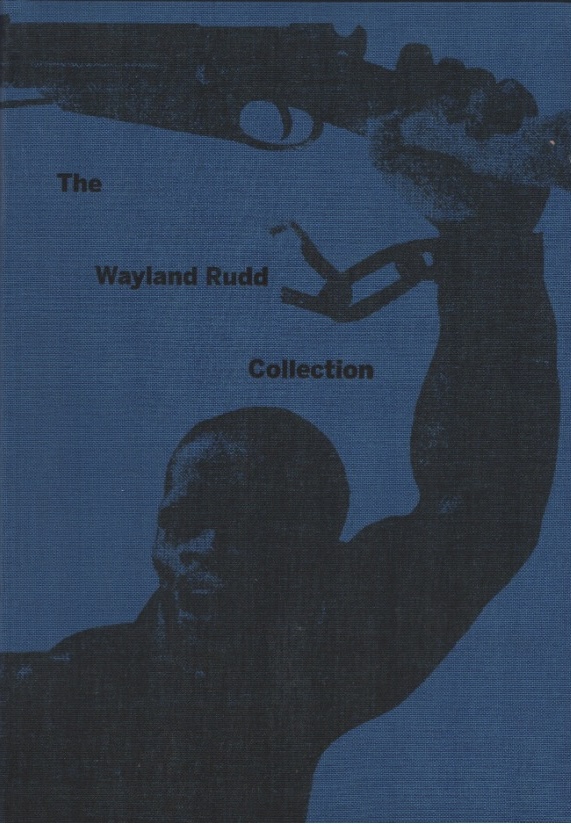

The Wayland Rudd Collection presents artist Yevgeniy Fiks’s archive of Soviet media images of Africans and African Americans - from propaganda posters to postage stamps - mainly related to African liberation movements and civil rights struggles. Meditations, reflections, and research-based essays by scholars, poets, and artists address the complicated intersection of race and Communist internationalism, with particular focus on the Soviet Union’s critique of systemic racism in the US.
The project is named after Wayland Rudd (1900–1952), a Black American actor who moved to the Soviet Union in 1932 and appeared in many Soviet films and theatrical performances. The stories of Rudd and other expat African Americans in the Soviet Union are given special attention in the book.
Bringing together post-colonial and post-Soviet perspectives, the book maps the complicated and often contradictory intersection of race and Communism in the Soviet context, exposing the interweaving of internationalism, solidarity, humanism, and Communist ideals with practices of othering and exoticization.
Signed by the editor, Yevgeniy Fiks.
The Wayland Rudd Collection presents artist Yevgeniy Fiks’s archive of Soviet media images of Africans and African Americans - from propaganda posters to postage stamps - mainly related to African liberation movements and civil rights struggles. Meditations, reflections, and research-based essays by scholars, poets, and artists address the complicated intersection of race and Communist internationalism, with particular focus on the Soviet Union’s critique of systemic racism in the US.
The project is named after Wayland Rudd (1900–1952), a Black American actor who moved to the Soviet Union in 1932 and appeared in many Soviet films and theatrical performances. The stories of Rudd and other expat African Americans in the Soviet Union are given special attention in the book.
Bringing together post-colonial and post-Soviet perspectives, the book maps the complicated and often contradictory intersection of race and Communism in the Soviet context, exposing the interweaving of internationalism, solidarity, humanism, and Communist ideals with practices of othering and exoticization.
Signed by the editor, Yevgeniy Fiks.